Septic Tank Pumping and Clog Prevention: Best Practices
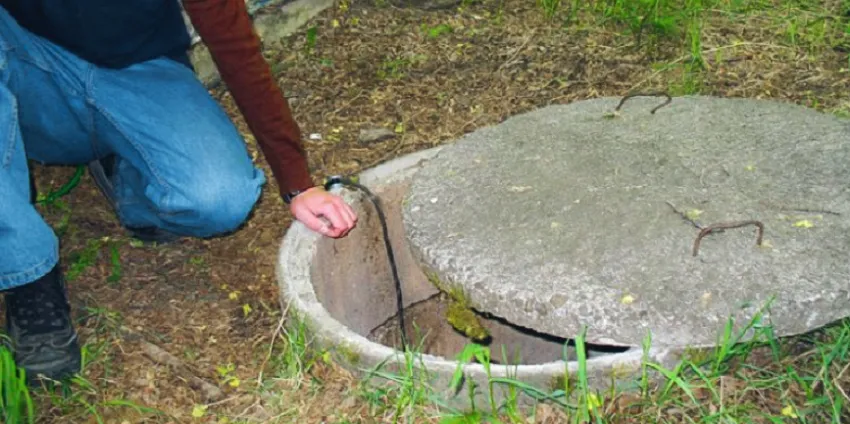
Maintaining a healthy septic system is essential for every homeowner. Regular septic tank pumping is a fundamental aspect of this maintenance routine, but it’s equally important to prevent clogs that can lead to system issues. In this article, we’ll explore best practices for both septic tank pumping and clog prevention to ensure your septic system functions efficiently and avoids costly repairs.
Section 1: The Importance of Septic Tank Pumping
Before we delve into clog prevention, let’s understand why septic tank pumping is crucial:
1.1 Prevents System Overload
Over time, solids and scum accumulate in the septic tank. If these solids are not removed through pumping, they can reach a critical level, leading to system overload and potential damage.
1.2 Avoids Drain Field Damage
Excessive solids entering the drain field can clog it and cause damage. A damaged drain field can result in sewage backups, foul odors, and costly repairs. Pumping prevents this scenario.
1.3 Maintains Efficient Waste Decomposition
Regular pumping removes excess solids from the septic tank, allowing the beneficial bacteria to break down organic matter efficiently. This ensures that the treatment process remains effective.
1.4 Extends the Tank’s Lifespan
A septic tank that is regularly pumped and maintained can last for several decades. Neglecting pumping can lead to premature tank failure, necessitating a costly replacement.
Section 2: Best Practices for Septic Tank Pumping
Now, let’s explore the best practices for septic tank pumping:
2.1 Follow a Recommended Schedule
Consult with a professional septic service provider to determine the ideal pumping schedule for your specific system. As a general guideline, experts recommend pumping your septic tank every 3 to 5 years. However, factors like tank size, household size, water usage, and waste type can influence the frequency.
2.2 Choose a Qualified Service Provider
Select a reputable and licensed septic service provider with experience in septic tank pumping. They have the expertise and equipment necessary to perform the job safely and effectively.
2.3 Keep Records
Maintain records of past pumpings and any maintenance performed on your septic system. This helps you track its history and plan future pumpings accordingly.
2.4 Monitor Signs
Pay attention to signs that your septic tank may need pumping sooner, such as slow drains, foul odors, sewage backups, or lush grass over the drain field. If you notice these signs, contact your service provider promptly.
Section 3: Clog Prevention Best Practices
Preventing clogs in your septic system is just as important as regular pumping. Here are some best practices to keep in mind:
3.1 Mind What You Flush
Only flush biodegradable and septic-safe items down the toilet. Avoid flushing non-biodegradable items like wipes, paper towels, feminine hygiene products, or excessive amounts of toilet paper. Harsh chemicals should also be avoided, as they can harm the beneficial bacteria in the tank.
3.2 Be Cautious with Grease
Avoid pouring grease or cooking oils down the drain. Grease can solidify in your plumbing and septic system, leading to clogs. Instead, collect grease in a container and dispose of it in the trash.
3.3 Limit Garbage Disposal Usage
Garbage disposals can introduce excessive solids into your septic system. Use them sparingly and avoid disposing of large food scraps or fibrous materials that can clog pipes.
3.4 Regularly Pump the Grease Trap
If your home or business has a grease trap, ensure it is pumped regularly. Grease traps prevent oil and grease from entering the septic system, but they must be maintained to be effective.
3.5 Use Lint Traps
Install lint traps on your washing machine’s discharge hose to capture lint and prevent it from entering your septic system. Lint can contribute to clogs in drain lines.
Section 4: Signs of Potential Clogs
Recognizing the signs of potential clogs in your plumbing or septic system is essential for prompt action:
4.1 Slow Drains
If you notice that sinks, showers, bathtubs, or toilets are draining more slowly than usual, it may indicate a clog in the plumbing or septic system.
4.2 Gurgling Sounds
Gurgling sounds coming from drains when water is running can signal a blockage or air trapped in the plumbing.
4.3 Foul Odors
Unpleasant odors emanating from drains or toilets can indicate a clog or an issue in the septic system.
4.4 Backed-Up Drains
If wastewater backs up into sinks, bathtubs, or toilets, it’s a clear sign of a clog that needs immediate attention.
Conclusion
Maintaining a septic system involves two critical aspects: regular septic tank pumping and clog prevention. Both are essential for the long-term health and efficiency of your system.
Septic tank pumping should follow a recommended schedule and be performed by a qualified service provider. Keeping records and monitoring signs of a full tank ensures you stay on top of maintenance.
Clog prevention involves responsible use of your plumbing fixtures. Be cautious about what you flush or pour down drains, limit the use of garbage disposals, and maintain grease traps. Recognize the signs of potential clogs and address them promptly to prevent damage to your plumbing and septic system.
By following these best practices for both septic tank pumping and clog prevention, you can ensure that your septic system operates efficiently, reduces the risk of costly repairs, and contributes to a healthy and sustainable home environment.